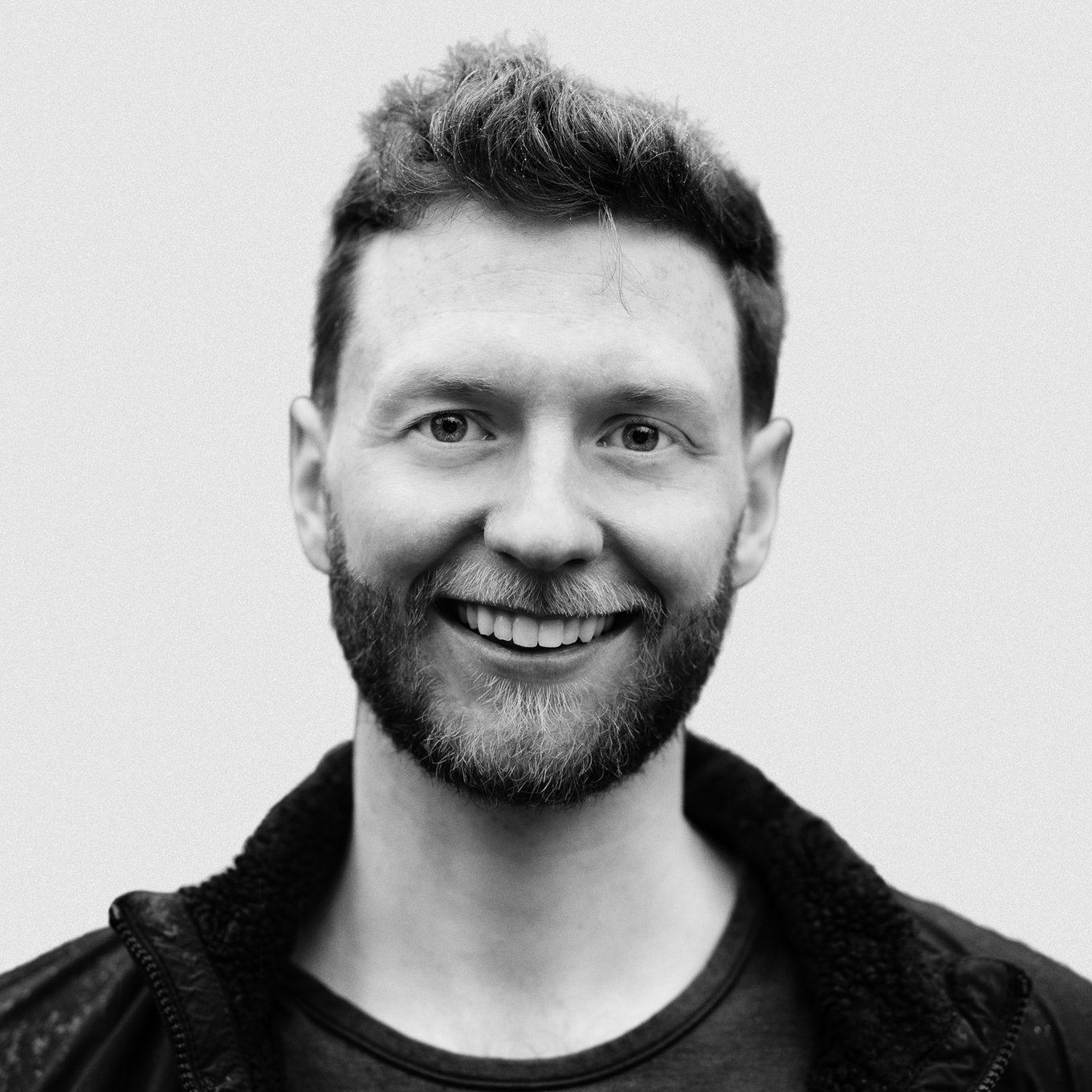
Photo of Tim Brooks

Artificial intelligence & robotics

Tim Brooks

He co-invented Sora, OpenAI’s video generation model.
Year Honored
2025

Organization
Google DeepMind

Region
Global

In December 2022, as he was finishing his PhD in artificial intelligence at UC Berkeley, Tim Brooks sensed the time was right to make his mark on AI video generation. With the launch of ChatGPT a month before, generative AI was having its moment. Through simple prompts, users could engage chatbots in fluid conversation—and some such systems could create high-resolution, realistic images, too. AI-generated video, however, still didn’t really work. Early models had made some progress in simulating specific scenery or giving still images a bit of motion. But a high-quality, generalized model remained elusive. 

When Brooks, 31, joined OpenAI soon after, the race was on: Together with Bill Peebles, a former Berkeley colleague, he began to engineer a model that could generate high-definition clips up to a minute long. Their strategy involved a novel way of breaking images and videos into smaller bits of information, which allowed them to train their model on a broader range of visual data. They also leveraged a transformer architecture similar to what underpins most chatbots, which enabled their model to get progressively better as it scaled. The end result was Sora, a groundbreaking photorealistic AI video generator released to the public in December 2024. 

Like similar products now available from Google, Meta, and others, Sora caused alarm as well as fascination. Some critics worry these models will lead to job losses across advertising, film, and other creative industries; and most Sora users are prohibited from making videos that depict real people, due to fears over deepfakes and the spread of disinformation. There are also worries that it will lead to the production of more “AI slop,” low-quality content that’s proliferating across the internet.

Brooks, however, believes these tools will open up new possibilities for digital creators. He also sees them as an important step toward the goal he’s pursuing in his new role as a research scientist at Google DeepMind: building a more far-reaching “world model” that will help AIs better understand our physical surroundings and more closely approximate the functioning of the human brain.