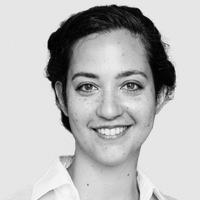
Photo of Sneha Goenka

Biotechnology & medicine

Sneha Goenka

She designed the computations behind the world’s fastest whole-genome sequencing.

Year Honored
2025

Organization
Princeton University

Region
Global

Up to 50% of infant deaths in neonatal intensive care units are linked to genetic disorders. In many of those cases, physicians and parents didn’t know about the disorder when the baby was admitted. It can take up to seven weeks to receive a diagnosis, which slows treatment.

Sneha Goenka, 31, an assistant professor of electrical and computer engineering at Princeton, sped this process up significantly by accelerating the computational steps involved in genomic analysis. Thanks to her work, physicians can now sequence a patient’s genome and diagnose a genetic condition in less than eight hours—an achievement that could transform medical care.

Goenka started with a long-read sequencing tool from Oxford Nanopore Technologies, which uses 48 parallel sequencing units to provide raw genetic data in 90 minutes. Unfortunately, existing software systems struggle to process this much data, so analyzing it to identify mutations usually takes another 21 hours.

Goenka and her former colleagues at Stanford solved this problem by developing a way to automatically upload data from the mini-sequencers to servers in the cloud. This enables analysis of the raw data as it is being generated, while minimizing the chatter that occurs between the two. By aligning and comparing the resulting genetic sequence to a reference genome, the system can automatically identify mutations in 1.5 hours. The technology has been used on 26 patients, most of whom were treated at Stanford’s children’s hospital.

Now Goenka is working to make the technology more widely available by cofounding a company that she hopes will provide the rapid sequencing technology and data analysis to hospitals around the world. Meanwhile, she has further reduced time to diagnosis, which now stands at six hours.

And she aims to address a major limitation through her ongoing research: The reference genome that sequences are compared against is skewed toward people of European descent. Incorporating more diverse genomic data as it becomes available will allow her filtering system to prioritize mutations more commonly found in specific populations, improving diagnostic accuracy for everyone.