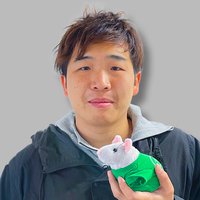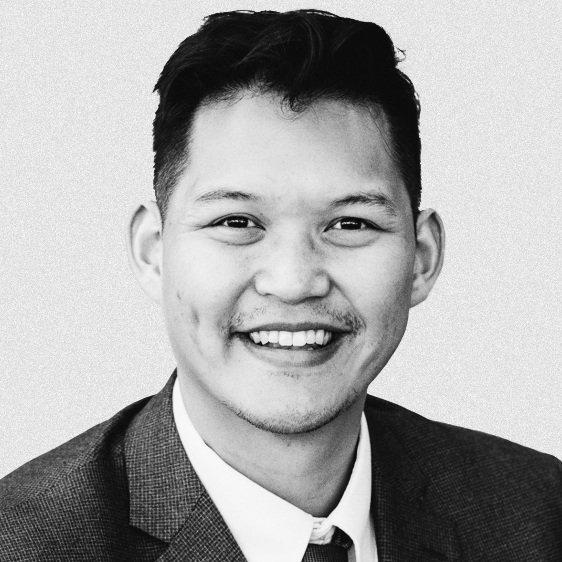
Photo of Andrew Yang

Biotechnology & medicine

Andrew Yang

He’s changing the way scientists think about the blood-brain barrier.

Year Honored
2025

Organization
University of California, San Francisco

Region
Global

As a neuroscientist at the University of California, San Francisco and Gladstone Institutes, Andrew Yang studies the distinctive blood vessels that nourish the brain. Compared with vasculature elsewhere in the body, the brain’s blood vessels are lined with denser walls of cells. These walls are known as the blood-brain barrier, so named for its ability to keep toxins, pathogens, and most molecules out of the brain. 

But Yang’s research has found that the blood-brain barrier is more permeable than previously thought. His work has confirmed that a hundred types of proteins (and counting) can enter a healthy mouse brain to support its function. The proteins enter by binding to molecules on the walls of blood vessels known as receptors. That triggers a process that ultimately allows the protein to pass through the blood vessels’ walls into the brain. 

Instead of seeing the blood-brain barrier as a hard boundary, Yang, 34, describes it as more like a house: Yes, the brain has walls, but it also has doors and windows to let nutrients in and waste out.

Now, Yang’s lab is working to catalogue these proteins to identify the key receptors that grant them entry. This work opens up new possibilities for delivering drugs directly to the brain, which has long been an elusive goal because biomedical researchers haven’t known how to get most molecules across the blood-brain barrier. Building off Yang’s work, researchers could design and synthesize antibodies that bind to the receptors, allowing the antibodies to pass through and target specific sites and cell types in the brain, such as cancer cells. 

Yang’s personal motivation to study the brain comes from his desire to find treatments for dementia. He decided to pursue neuroscience after his father was diagnosed with the disease in his mid-50s. “I could work on brain aging and dementia for the rest of my life,” says Yang. “Even if I failed—let’s say I didn't make any impact—I would still think that was a life worth living.”